Family grants
Ask about practical relief based on current programs, available funding and individual eligibility.
Start a secure request →Apply for assistance, request a consultation, connect with the Tuesday support group or explore trusted Arizona resources.
Tell us what your family needs. We will listen carefully, explain what support may be available and help identify a practical next step. Support depends on current funding and eligibility.
Complete a short, private request form. A person with autism, caregiver or referring partner may reach out.
Our team follows up to understand the situation and any time-sensitive details.
If we can help directly, we explain how. If not, we connect you with a trusted resource when possible.
Good to know: You may reach out before or after a formal diagnosis. Every request is reviewed individually, and available help depends on current programs, funding and eligibility.
8-year-old children in 16 U.S. communities were identified with autism in CDC’s 2022 monitoring data.
CDC data, published 2025 ↗Families can talk with a pediatrician, request an evaluation and contact early intervention or their local school system when developmental concerns arise.
Find next steps ↗People with autism deserve meaningful support for communication, daily life, education, employment and community connection at every age.
Read the CDC overview ↗Use this growing collection to print a guide, prepare for an appointment, understand school supports or find an Arizona service. Availability can change; confirm details directly with each provider.
Browse the family resource directory →
These programs and events are run by the organizations named below. AHIAF shares them for convenience; check the organizer's current availability, eligibility and schedule before applying or traveling. Last reviewed September 28, 2026.
For children from newborn through eighth grade in Arlington, Avondale, Buckeye, Cashion, Goodyear, Litchfield Park, Palo Verde, Tolleson and Tonopah. Space is limited and registration may close before October 25.
Bring: parent or guardian photo ID, proof of residency, and each child's birth certificate or guardianship papers.
In person: GRC Resource Fair, 420 S Estrella Pkwy, October 10, 10 AM–noon; Palm Valley Church, 431 N Litchfield Rd, Monday–Thursday 9 AM–3:30 PM, October 5–25; Salvation Army Estrella Mountain, 11 N 3rd Ave, October 25, 5:30–7 PM, (623) 932-0472.
Start the Angel Tree application ↗Local registration link supplied to AHIAF ↗Goodyear and El Mirage households may apply for one year of no-cost 5G internet through Compudopt's Microsoft partnership. Compudopt describes no contract, credit check or hidden fees. Check current eligibility and availability before applying.
Check the Compudopt application ↗Sunday, November 1, 11:30 AM–2 PM at 14900 W Van Buren St, Goodyear. The event information shared with AHIAF lists free BBQ, carnival games, a petting zoo, pony rides, a cake walk, candy and costumes. Confirm details with Skyway before attending.
Check Skyway's event calendar ↗Saturday, November 21, 8–10 AM at the Skyway Church gym, 14900 W Van Buren St, Goodyear. The shared notice says first come, first served, one box per household, and ID required. Call (623) 935-4858 to confirm before visiting.
Contact Skyway ↗Looking for AHIAF's own holiday program? Learn about Ausome Christmas or apply for 2026 family support ↗. The application is open; details about South Phoenix pickup will be shared with selected families.
A warm, fill-in-friendly guide that helps grandparents, relatives and close friends understand a child’s communication, sensory needs and meaningful ways of connecting.
A plain-language starting point for emotional adjustment, accommodation requests, employment and college rights, public benefits and Arizona support systems.
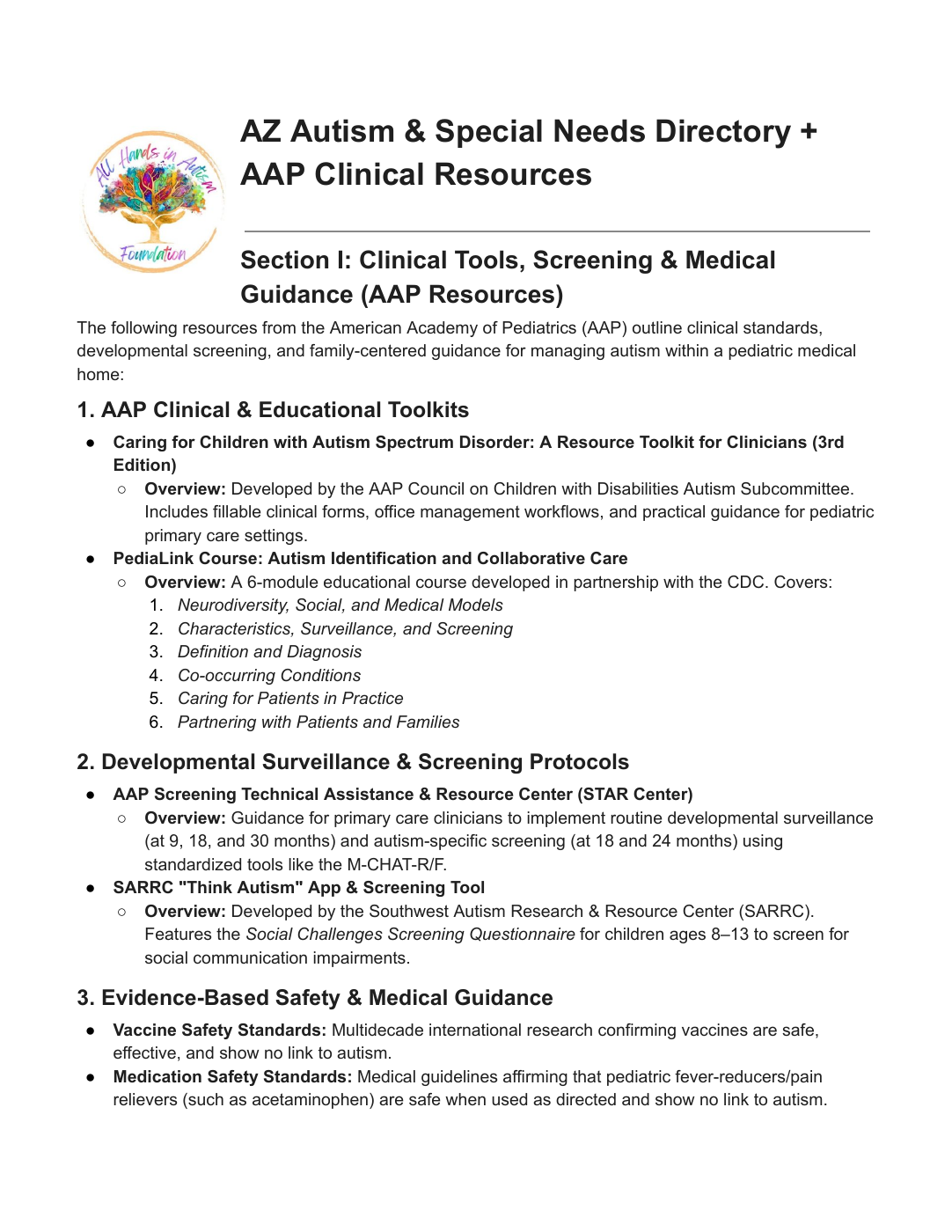
A practical, print-ready guide for families, caregivers, educators and community partners.
Includes AAP clinical and screening resources, Arizona providers organized by specialty and city, and a checklist for early intervention, DDD/ALTCS, ESA and local family support.
Directory information can change. Contact providers and agencies directly to confirm services, eligibility, insurance participation and availability. Listing does not imply endorsement.Clear, useful resources from AHIAF and trusted public agencies—organized so families can find a next step without sorting through dozens of tabs.
A 10-page, print-ready guide to clinical resources, providers and Arizona support pathways.
Open & print ↗Printable CDC checklists for ages 2 months through 5 years, available in English and 12 additional languages.
Choose a checklist ↗A family-friendly booklet for tracking development, preparing questions and celebrating progress.
Open PDF ↗Arizona guidance on Child Find, procedural safeguards, IEP support and parent rights.
Explore resources ↗Search Arizona’s provider directory by service, ZIP code, language and accessibility features.
Search providers ↗Direct links to public agencies and established family-support organizations, plus a verified calendar of respite, social and sensory-aware opportunities.
View Arizona events & programs →Housing, food, utilities and crisis resources across Arizona.
Visit resource ↗AZFree family-to-family support, training and navigation.
Visit resource ↗AZArizona Medicaid eligibility, plans and member support.
Visit resource ↗AZServices for eligible infants and toddlers, birth to age three.
Visit resource ↗AZEmployment support for Arizonans with disabilities.
Visit resource ↗AZStatewide education, advocacy and community connection.
Visit resource ↗Start with the agency that makes the eligibility decision. Save confirmation numbers, copies of documents and the name of anyone you speak with.
Apply for Arizona Division of Developmental Disabilities services and review the current eligibility packets in English or Spanish.
Start with DDD ↗Learn whether an adult or child may qualify for Supplemental Security Income based on disability, income and resources, then begin with Social Security.
Check eligibility & apply ↗Use Health-e-Arizona Plus to apply for Nutrition Assistance (SNAP) and AHCCCS health coverage through one secure Arizona portal.
Apply online ↗Review Arizona Long Term Care System coverage, including services that may be provided at home. Medical and financial eligibility are assessed individually.
Review ALTCS eligibility ↗Explore temporary cash assistance for eligible Arizona families with dependent children, including application steps and required documents.
Review Cash Assistance ↗Review Arizona ESA eligibility, documentation and program responsibilities before choosing an education option. Award amounts and covered expenses depend on current rules and individual circumstances.
Explore the ESA program ↗Eligibility rules and program names can change. These links go to official government application pages; All Hands in Autism Foundation cannot guarantee approval or act as a benefits representative.
Open a topic to find practical support, school resources, employment programs and community opportunities. You can explore one step at a time.
Find someone to help you navigate services, school choices and community connections.
Free help understanding care systems and finding community resources. Ask the Family Support team about your next step with services or paperwork.
Arizona navigation guides, caregiver and adult support groups, classes and social opportunities for people with autism and their families.
Explore autism services and connect with a local Easterseals organization. Programs, age groups and availability differ by location.
Search by location and type of support to find providers, community programs and family resources.
AAED shares education resources and information about its Arizona schools. Ask admissions about student needs, tuition, openings and funding; ESA awards may not cover every cost.
Explore assistance programs alongside the official benefits applications above.
Family grants can help with approved services, assistive technology and safety equipment. Payments go to providers or vendors. Rent, utilities and transportation are excluded. Check the current application window directly with the organization.
A financial-assistance directory with links to grants and other support. Each listed program sets its own application process and availability.
An overview of financial resources and assistance pathways for families. Confirm current requirements with the agency or funder before applying.
Start a conversation about care needs, service authorization and support for your household.
Habilitation, respite and attendant care for eligible DDD/ALTCS members. Ask about service authorization, staffing and parents-as-paid-caregivers options.
Information about habilitation, respite and attendant care, including caregiver training. Confirm eligibility, approved services and provider availability directly.
Autism respite and support services with planned activities. Contact CopaConnect about intake, ages served, locations, costs and current openings.
Arizona DES explains the program for parents of eligible minor children. Authorized care, assessments, training and current program rules determine participation; payment and hours are not automatic.
A caregiver-oriented roadmap to Arizona DDD and ALTCS. Use it to prepare questions, then check the current eligibility requirements with DES and AHCCCS.
Learn about company programs for neurodiversity, accessible careers and community involvement.
EY shares disability-inclusion initiatives, including its Neurodiversity Centers of Excellence. EY Ripples also connects professional skills with community impact.
Explore Microsoft’s Neurodiversity Hiring Program, Greater Phoenix community initiatives and technology offers for eligible nonprofit organizations. Open roles and program availability vary.
A technology consulting company employing adults with autism and supporting workplace inclusion. Its community resources include employment and training connections.
Plan ahead with current program details, accessibility information and ticket availability.
AMC’s program with the Autism Society offers screenings with brighter lights and lower sound. Check participating theaters, current showtimes and ticket prices before visiting.
Chase Field provides a sensory room. Review guest access information before attending.
Visit the team’s official site for the current schedule and ticket information. Contact the venue about accommodations for your visit.
Learn about Power Paws’ assistance-dog programs and community ambassador work. Ask directly which program fits your needs and whether applications or community visits are available.
Background articles from nonprofit and service-provider websites. For benefits decisions, use the official agency’s current requirements.
A nonprofit’s overview of financial-assistance options for families raising children with disabilities.
A provider-authored article about finding support as the parent of a child with autism.
A provider-authored overview of Arizona autism resources. Confirm services and eligibility with each organization listed.
A provider-authored guide to Arizona support and resource pathways. Contact individual programs for current details.
Links reviewed October 2026. Listings are informational and do not establish a partnership with AHIAF. Confirm current eligibility, costs, openings and accessibility directly with each organization.
These resources come from established autism, self-advocacy and Arizona family-support organizations. They complement—not replace—individual medical, legal or school guidance.
ASAN’s welcome guide answers common questions, reduces isolation and helps people understand autism as part of their identity.
ASAN self-advocacy resource ↗Talk with a trained specialist or search for services through the Autism Society’s national support network.
Autism Society ↗A practical guide to special education rights, timelines, IEPs and working with a school team.
Organization for Autism Research ↗Evidence-based planning tools for families and young adults with autism preparing for life after high school.
Organization for Autism Research ↗Free support and navigation from people who understand the systems Arizona families are working through.
Encircle Families ↗Receiving an autism diagnosis in adulthood can bring relief, validation, grief, uncertainty—or several feelings at once.
It may help make sense of sensory needs, communication differences, executive-function barriers, masking or long-term exhaustion. There is no required timeline for deciding what the diagnosis means or who you want to tell.
Learn at your own pace. A diagnosis can offer context without changing your worth, identity, relationships or goals.
A useful accommodation request names the barrier, the change that may help and how that change supports the essential task.
SSI, SSDI, DDD, Vocational Rehabilitation, AHCCCS, SNAP and AZ ABLE each use separate eligibility rules. A diagnosis alone does not guarantee approval.
Save evaluations, request emails, decisions, deadlines and contact names. If a request is denied, ask for the reason and review or appeal options in writing.
Includes workplace and college request templates, benefit pathways, documentation checklists, official sources and Arizona contacts.
Important: Educational information only—not medical, legal, financial or benefits advice. Rights, eligibility, filing deadlines and available programs depend on individual facts and current rules. For urgent mental-health support, call or text 988. Last reviewed August 12, 2026.
Choose the shelf that fits this season: supporting family life, understanding yourself or sharing inclusive stories with a child.
No single book represents every person with autism. We encourage readers to notice whose voice is centered, compare perspectives and keep what is useful.
Seven starting points for connection, communication, systems awareness and seeing behavior with greater curiosity.

Reframes behavior as meaningful communication and coping, with practical ideas for building trust and supporting strengths.
Find on Amazon ↗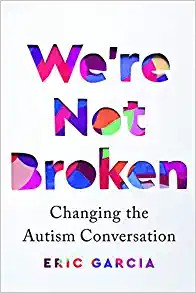
Examines public policy, health care, education and employment through reporting and the author’s lived experience.
Find on Amazon ↗
Shares one young Japanese author’s account of communication, movement and sensory experience. Read as one person’s perspective—not a universal explanation.
Find on Amazon ↗
A memoir and exploration of visual thinking from a scientist, author and advocate with autism.
Find on Amazon ↗A hands-on guide to connection, regulation and communication strategies families can adapt to individual needs.
Find on Amazon ↗
An anthology of guidance and reflection from writers with autism, including BIPOC, trans and nonbinary contributors.
Find on Amazon ↗Connects neuroscience with lived experience and explores different cognitive strengths and support needs.
Find on Amazon ↗Six lived-experience, memoir, practical and scholarly perspectives. Select a title to read why it may be useful.
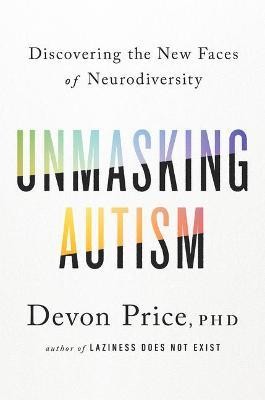 Dr. Devon PriceUnmasking Autism: Discovering the New Faces of Neurodiversity+
Explores masking, internalized shame, identity and practical ways to build a life with greater self-understanding.
Find on Amazon ↗An affirming memoir and guide about identity, boundaries, relationships and finding ways to live more authentically.
Find on Amazon ↗Helps adults evaluate therapy, recognize harmful practices, communicate access needs and seek neurodiversity-affirming care.
Find on Amazon ↗A scholarly challenge to traditional assumptions about communication, intention and who is allowed to define autism.
Find on Amazon ↗A collection of essays, fiction, poetry and art that reflects varied experiences, identities and ways of communicating.
Find on Amazon ↗A candid, humorous memoir about late diagnosis, masking, relationships and the stories other people place on a life.
Find on Amazon ↗Picture books about AAC, sensory needs, disability rights, family, mobility, access and celebrating different ways of experiencing the world.
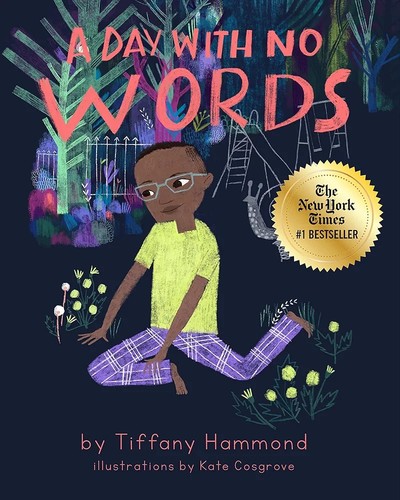
A warm picture book about a Black mother and son, AAC, communication without speech and the many ways a family can connect.
Find on Amazon ↗A lively celebration of sensory seeking, movement, curiosity and a child who understands what their body needs.
Find on Amazon ↗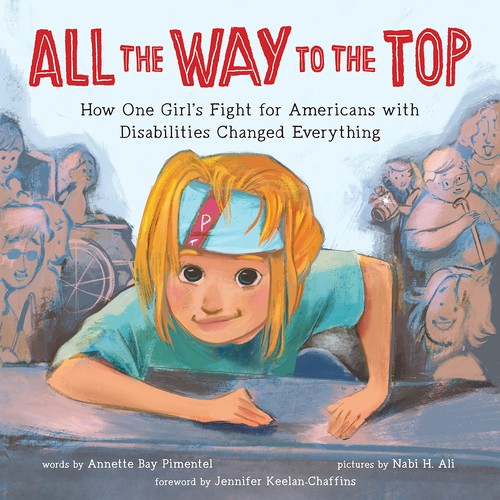
The true story of Jennifer Keelan-Chaffins, a young wheelchair user whose disability-rights advocacy helped change the United States.
Find on Amazon ↗Follows a girl with autism as she recognizes sensory overload and finds ways to communicate and honor what she needs.
Find on Amazon ↗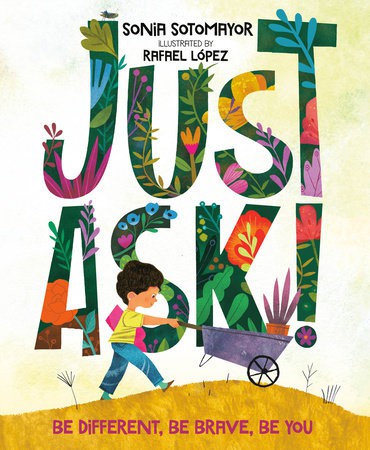
Children with different disabilities and health conditions build a garden and discover that respectful questions can create connection.
Find on Amazon ↗
A joyful disability-justice picture book about access, community, mobility aids and creating a world where everyone can participate.
Find on Amazon ↗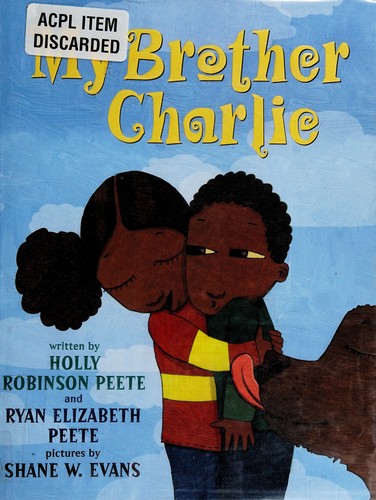
A sister shares the joys and challenges of loving her twin brother, based on the authors’ Black family’s lived experience.
Find on Amazon ↗A sensory-aware story connected to the television series created with writers and performers with autism.
Find on Amazon ↗Respite can look different for every household—from authorized in-home care to a registered community event.
Start by confirming whether the caregiver may leave, who provides supervision, what needs can be supported and how registration or funding works.
Arizona’s Division of Developmental Disabilities defines respite as short-term supervision and care that gives a caregiver relief. A Support Coordinator can explain whether respite is included in an eligible person’s service plan and how to find a qualified provider.
Review DDD respite resources ↗Eligible unpaid caregivers may be able to access no-cost respite vouchers, Lifespan Respite options or emergency respite. Funding rules apply, particularly when another state, federal or insurance respite benefit is already available.
Check caregiver eligibility ↗AZA United provides in-home and community respite through trained staff. The organization notes that funding generally requires Arizona Long Term Care System eligibility and DDD authorization.
Explore AZA United respite ↗Ryan House offers no-cost, short-term overnight respite for qualifying children age 17 or younger with a life-threatening condition. This is a specialized program and is not an autism-only service; the care team determines eligibility.
Ask about a Ryan House stay ↗Church and community programs set their own registration, staffing, supervision and eligibility rules. During-service support is identified separately from drop-off respite.
Rock Point publishes three-hour respite nights for registered children ages 2–14. Upcoming listed 2026 dates are November 20, from 6:00–9:00 PM. Confirm availability before making plans.
View ADAPT registration ↗The church’s Special Needs Ministry publishes Halftime respite registration for families. Dates and eligibility can change; contact the ministry directly to ask about the next event and caregiver orientation.
Contact the ministry ↗Buddy Break pairs participating children with trained volunteers while caregivers take a break; siblings may also be eligible. Contact the Arizona location for current dates, orientation and registration requirements.
Find the Arizona location ↗Special Friends offers sensory tools, a possible individual buddy and an adapted Sunday small group while families attend church programming. Contact the team at least 24 hours before visiting; this is during-service support, not a caregiver drop-off respite event.
Plan a supported visit ↗Families can use this directory to begin a respectful conversation about sensory space, adaptive learning, buddy support and participation.
Beliefs and family preferences are personal. Most listings have publicly described accessibility or disability-ministry supports; any general community resource without a verified disability ministry is clearly labeled.
Central Kids offers special-needs classrooms and individualized support designed around each child’s needs. Availability and the intake process vary by campus, so families should connect with the ministry team before visiting.
CCV’s Special Needs Ministry publishes weekend support for children, students and adults, plus Exceptional Stars adaptive sports. Campus participation, registration and available accommodations can differ by location.
Sun Valley serves families across six Arizona campuses. Contact the campus directly to ask about current buddy, adaptive-classroom and sensory supports, the age groups served, and whether advance registration is needed.
The church publishes a Special Needs Ministry with individualized support and respite opportunities for families. Contact the team about the child’s age, registration and the support available during a specific service.
Published supports include buddy placement, sensory-friendly accommodations and programming for children, youth and adults. Ask whether an intake form is required before the first visit.
Nazareth Ministry supports people with special needs and their families through adaptive faith formation, fellowship and parish inclusion. Contact the parish to discuss current classes and sacramental preparation.
The Disability Ministry focuses on accessibility, advocacy, fellowship and participation in church life for people with physical, developmental or sensory support needs.
Palm Valley publishes Buddies for children who benefit from individual support and PALS community opportunities for adults with special needs. Families can contact the ministry to plan a first visit at Goodyear or Buckeye.
Its Special Friends ministry describes buddy support for children with disabilities alongside their peers. Ask the children's team about a first visit and the support your child needs.
General community listing. New Foundation describes children's ministry, but a dedicated disability ministry or sensory accommodations were not confirmed publicly. Contact the church to discuss individual needs.
AHIAF has spoken with Skyway about family resource-sharing and its special-needs team. Contact the church to ask which supports are currently available for a particular service; this listing does not promise an individual accommodation.
Wings Special Needs Ministry publishes a sensory room, one-to-one buddies for children and preteens, and curriculum adapted to individual developmental needs.
HopeAccess works with families to understand individual support needs and plan classroom participation. Contact the church before visiting to discuss intake, buddy support and adaptive resources.
The parish publishes a Special Needs Ministry intended to welcome and support people with disabilities and their families. Ask about current faith-formation, sacramental and family-support options.
Beautifully Made gatherings are designed around fellowship, prayer, adapted discussion and activities for people with special needs. Confirm the current age groups and meeting dates.
The parish publishes adaptive faith-formation support with flexible pacing and preparation for children and adults with physical, intellectual or developmental disabilities.
General community resource — not a verified disability ministry. 211 Arizona lists no-cost help at the adjacent Community Center with AHCCCS, KidsCare, Marketplace insurance, TANF and SNAP applications, plus workforce preparation and computer training. Contact the church to confirm current accommodations before visiting.
A general community listing. A dedicated sensory room or one-to-one buddy program was not confirmed on the public website; families should call and discuss the accommodations needed before attending.
Special Friends publishes sensory tools, individual service buddies upon request and a Sunday small-group environment for youth and young adults with special needs.
The church publishes ministry and community-support pathways. Contact the church directly to confirm current ABLE programming, sensory welcome materials, adapted classes and respite opportunities.
ADAPT Special Needs Ministry publishes adapted classrooms, buddy support, sensory-aware environments, adult gatherings, caregiver connection and respite events. Advance contact is recommended.
The church publishes Sunday support and accommodations for people with special needs. Contact the ministry to confirm buddy availability, registration and the ages currently served.
Published programs span childhood through adulthood and may include individual buddies, sensory space, youth programming, adult groups and adapted studies. Confirm the program and campus that fit your family.
The Surprise campus publishes family and children’s programming. Call before visiting to confirm current special-needs support, sensory accommodations and ASL interpretation for a particular service.
The Reception at the West Campus publishes a dedicated environment with modified lessons, worship and augmentative communication supports such as picture boards and recorded-message devices.
Directory last reviewed August 12, 2026. Send corrections or another Arizona listing to showard@allhandsinautismfoundation.com.

Caregiving schedules, financial pressure and advocacy fatigue can strain even strong relationships. Asking for support is a practical act of care.
The options below include autism-informed counseling, couples and family therapy, and directories with flexible-fee choices. They are starting points—not endorsements.
Individual, couples and family counseling for people with autism and family members, provided by clinicians experienced with neurodivergent populations.
Explore counseling ↗COUNSELING RESOURCEArizona telehealth marriage and family therapy offering support for couples, families, relationships, stress and autism-related needs.
Visit the practice ↗COUNSELING RESOURCESearch licensed Arizona psychologists by couples therapy, relationship or marital concerns, autism, family and parenting, and flexible-fee options.
Search the directory ↗COUNSELING RESOURCEA lower-cost therapy directory with Arizona clinicians offering individual, couples and family sessions. Review each clinician’s credentials and focus areas.
Find affordable therapy ↗Ask whether the clinician is licensed in Arizona, has experience with caregiver stress and autism family systems, supports both partners without blame, accepts your insurance or offers a sliding scale, and is currently accepting new clients.
 DIVERSE FAMILIES • PRACTICAL PATHWAYS
These Arizona resources can help with family-law information, court forms and free or reduced-cost legal assistance. They do not replace advice from a licensed attorney who understands your situation.
Find free or reduced-cost legal help by topic, including family law, children and public benefits.
Find legal help ↗Official Arizona forms and information for divorce, legal separation, parenting plans and related family-court matters.
View court resources ↗Review Arizona legal-aid programs, referral services and self-help options collected by the State Bar of Arizona.
Explore legal aid ↗
Our Facebook community is being reintroduced with a name that reflects what families already find there: a welcoming circle of connection, encouragement and practical help.
Previously known as the No Limits Autism Group, the All Hands Autism Circle will remain a place to ask questions, exchange Arizona resources, share everyday wins and connect with people who understand.
A welcoming, come-as-you-are conversation for parents, caregivers and adults with autism who want connection, encouragement and practical community.
Join from home to share what is working, talk through everyday challenges and hear from people who understand. You are welcome to listen quietly, participate in the conversation or simply begin by saying hello.
The meeting link is shared by the Foundation. This is a peer-support gathering, not therapy, medical care or crisis support. Schedule changes will be posted through official AHIAF channels.The Foundation’s Arizona Event Calendar brings confirmed dates, ongoing programs and organizer-maintained calendars together in one place.
Review caregiver, registration and accessibility details before attending, then confirm current information with the organizer.
View Arizona events & programs →Clear, compassionate articles shaped by lived experience and the questions families ask every day.
Each post is reviewed by the Foundation before publication. Informational articles use official or primary sources and include a review date when details may change.
 ALL HANDS IN
Families are often asked to speak in program names, diagnoses and paperwork. We believe support can begin with a much simpler sentence: here is what is making today hard.
The systems surrounding autism can make families feel as though they need to become experts before they are allowed to ask a question. Acronyms, eligibility rules and long application packets can turn an already difficult week into another full-time job.
At All Hands in Autism Foundation, we want the first conversation to feel human. A request can begin with what is happening in daily life: communication has become difficult, the rent is at risk, a child needs a safer sensory option, or a caregiver is exhausted and unsure where to begin.
From there, the next step may be direct Foundation support, an official Arizona application, a trusted referral or simply a clearer explanation of the choices. We cannot guarantee every form of assistance, but we can listen without judgment and be honest about what may be available.
Request support →Published by the All Hands in Autism Foundation editorial team. Last reviewed August 11, 2026. Educational information only; not medical, legal or benefits advice.
Practical autism support should make room for relationships, rest, financial pressure and the emotional wellbeing of every person in the household.
Caregiving can include appointment schedules, school meetings, insurance calls, interrupted sleep and constant problem-solving. Even loving, capable families can feel stretched by the weight of coordinating it all.
Asking for counseling, respite, peer connection or practical help is not a sign that a family is failing. It is a way of protecting the relationships that hold the household together. Support should also be available before a situation reaches a breaking point.
When choosing a counselor, ask about Arizona licensure, experience with autism family systems and caregiver stress, fees or insurance, and how the clinician supports both partners without blame. The right fit should respect the person with autism and the wellbeing of the entire family.
Explore family wellbeing resources →Published by the All Hands in Autism Foundation editorial team. Last reviewed August 11, 2026. Educational information only; not medical, legal or benefits advice.
DDD, SSI and Health-e-Arizona Plus serve different purposes. Knowing which agency makes each decision can make the first step less overwhelming.
Arizona’s Division of Developmental Disabilities, or DDD, determines eligibility for developmental-disability services. Social Security handles Supplemental Security Income, or SSI, based on disability and financial rules. Health-e-Arizona Plus is the state portal for Nutrition Assistance and AHCCCS health coverage.
These programs are separate. Applying for one does not automatically apply a family for the others, and each agency may request different information. Use the official application page, save confirmation numbers and keep copies of documents you submit.
Rules, forms and processing times can change. All Hands in Autism Foundation can share trustworthy starting points, but we cannot guarantee eligibility or approval and do not act as a benefits representative.
Open the resource library →Published by the All Hands in Autism Foundation editorial team. Last reviewed August 11, 2026. Educational information only; not medical, legal or benefits advice.Visit the All Hands in Autism Foundation channel for approachable information, encouraging conversations and relaxing music made to support everyday wellbeing.
Whether you have a question, need a thoughtful perspective or want something peaceful playing in the background, our video library gives you another way to connect with the Foundation.
Videos are for general education, encouragement and relaxation. They do not replace individualized medical, therapeutic, legal or crisis support.Clear expectations protect families’ time and dignity.
Adults with autism, parents and caregivers, and community or professional partners referring a family may contact us. Tell us where you are in the process; we will review the request based on current programs, funding and eligibility.
Response times vary based on request volume, staff availability, current programs, funding and eligibility. Your confirmation means the request reached the Foundation’s protected inbox; it is not a promise of assistance. If your need is time-sensitive, call 602-491-3929.
You can ask about AAC and communication access, sensory items, community resources, seasonal support, or urgent practical needs such as housing stability. We cannot guarantee assistance, but we will listen and explain the next step we can offer.
No. Please do not submit medical records, Social Security numbers, banking information or other highly sensitive documents through the contact form. If more information is needed, our team will explain a safer next step.
Yes. Choose the closest topic in the contact form and tell us how you would like to help. Schools, providers, local businesses, donors and community groups are welcome to start a conversation.
Would it help to talk through resources, Foundation programs, a family need or a possible partnership?
Share a preferred date and time, how you would like us to contact you and a brief overview of what you want to discuss. A Foundation team member will follow up to confirm availability.
Use the short form to request support, volunteer, partner, share a resource or ask a question. Please do not include medical records or highly sensitive information.
Mailing address only; this is not a walk-in service office. Contact the Foundation before arranging a visit or delivery.
Proudly serving families in Phoenix, Goodyear, the surrounding Valley and communities across Arizona.Request autism family assistance in Arizona for communication access, sensory needs or housing stability. Learn about availability and the secure request process.
Learn more →02Explore AAC device assistance for Arizona families and learn how to request communication-access support from All Hands in Autism Foundation.
Learn more →03Explore autism resources and parent support for Goodyear, Avondale, Buckeye and the West Valley, with AHIAF requests and outside Arizona resources.
Learn more →04Connect with the All Hands Support Circle for online peer support. Find current meeting details, caregiver resources and ways to request support.
Learn more →05Apply for All Hands in Autism Foundation’s 2026 AUSome Christmas family support, or learn how Arizona families and supporters can take part.
Learn more →All Hands in Autism Foundation accepts requests for practical family support, including family grants and housing-stability needs. Assistance depends on current programs, available funding and individual eligibility. Start with a secure request and explain the need and any deadline.
Families and adults with autism can ask AHIAF about AAC and communication-access support. Describe the communication need in the secure request form. The Foundation reviews possible next steps based on available resources; submitting a request does not guarantee a device.
AHIAF helps families in Goodyear, Avondale, the West Valley and Phoenix-area communities navigate Arizona resources. Its resource library includes trusted guides, official application links, caregiver resources and information for adults with autism.
Explore the All Hands Autism Circle, request a family consultation, or ask about the Foundation’s support group. The published group schedule is the first, third and fifth Tuesdays at 6:00 PM Arizona time. Contact AHIAF for the current meeting link.
Start at Get Help and choose the closest assistance category. Each category leads to the secure request form. Briefly describe the need and how to contact you. Do not send medical records, Social Security numbers or banking information through this form.